
The Pulse Polio Programme: A Lifeline for Children and the Importance of Vaccination
Explore our in-depth blog on the Pulse Polio Programme, a pivotal initiative aimed at eradicating poliomyelitis globally. Discover the history, achievements, and challenges of this landmark public health campaign, which has significantly reduced polio cases through widespread vaccination efforts. Learn about the strategies employed, the partnerships forged, and the community involvement that have been key to its success. Dive into the inspiring stories of health workers and volunteers who tirelessly work to protect children from this debilitating disease. Stay informed about the ongoing efforts, current statistics, and future goals as we strive toward a polio-free world. Join us in understanding the importance of vaccination and the impact it has on public health.
12/15/20258 min read
Introduction to the Pulse Polio Programme
The Pulse Polio Programme, launched in 1995, represents a pivotal initiative aimed at eradicating poliovirus transmission globally. Established as a response to the alarming prevalence of polio cases in India, this program was designed to ensure that every child under the age of five received the essential oral polio vaccine (OPV). Its inception marked a collaborative effort involving the Government of India, WHO, UNICEF, and various non-governmental organizations, all united in the fight against polio and its devastating impact on health.
The primary objective of the Pulse Polio Programme is to achieve complete vaccination coverage, preventing transmission of the poliovirus. This is imperative as poliovirus can lead to acute flaccid paralysis, and in severe cases, it can result in lifelong disability or even death. Through nationwide campaigns, children across diverse socio-economic backgrounds are targeted, ensuring equitable access to the vaccine. This comprehensive approach not only aids in safeguarding children’s health but also contributes to the wider goal of achieving a polio-free world.
Globally, the Pulse Polio Programme has significantly influenced polio vaccination efforts, setting a benchmark for similar initiatives in other countries. The program emphasizes a multi-faceted strategy, incorporating surveillance, community engagement, and continuous outreach to maintain high immunization rates. This holistic method facilitates not just the vaccination of children during specific campaigns, but also fosters awareness within communities about the importance of immunization and the need to protect future generations from vaccine-preventable diseases.
In conclusion, the Pulse Polio Programme has become a lifeline for countless children, playing a critical role in the global commitment to eradicate polio. Through continuous advocacy and vaccination efforts, the program underscores the importance of ensuring that every child is immunized against this preventable yet life-altering disease.
The History of Polio and Vaccination Efforts
Polio, or poliomyelitis, is a highly contagious viral infection that primarily affects children, causing paralysis in severe cases. The disease has a long and troubling history, with significant outbreaks documented in the 19th and 20th centuries. The first major outbreak in the United States occurred in 1916, resulting in 27,000 cases and over 6,000 deaths. This alarming rise drew public attention to polio, prompting a push for research into its causes and potential treatments.
The 1940s and 1950s marked critical periods in the history of polio and vaccination efforts. Scientific advancements paved the way for the development of effective vaccines. In 1952, Dr. Jonas Salk created the inactivated poliovirus vaccine (IPV), which was introduced in a mass vaccination campaign in the United States. The IPV's success led to a decline in polio cases, encouraging further research and vaccine development.
Following Salk’s breakthrough, Albert Sabin developed an oral poliovirus vaccine (OPV) in the early 1960s. The OPV was easier to administer and contributed to mass vaccination campaigns across the globe. By the late 20th century, polio had become a public health target. Various initiatives aimed at eradicating the disease were launched, including the World Health Organization's Global Polio Eradication Initiative, which started in 1988.
As public health campaigns progressed, the Pulse Polio Programme was introduced in India in 1995 to accelerate vaccination efforts. This initiative aimed to immunize all children under the age of five against polio through regular mass immunization drives. Through continuous efforts and cooperation, the global community has witnessed a significant decline in polio, showcasing the crucial role vaccinations play in safeguarding public health.
The Mechanism of the Pulse Polio Programme
The Pulse Polio Programme operates through a structured approach aimed at eradicating poliovirus transmission among children, significantly enhancing public health outcomes. The primary strategy encompasses conducting mass immunization campaigns known as National Immunization Days (NIDs), during which children under the age of five receive oral polio vaccine (OPV) doses. These campaigns are crucial in ensuring that even those children who are not regularly immunized through routine services are reached effectively.
Logistically, the programme is carefully planned and executed in rounds that allow health workers to cover every area, including the most secluded and underprivileged communities. These rounds involve meticulous mapping of geographical zones, thus ensuring no child is left unvaccinated. Each vaccination round typically occurs twice a year but may be increased depending on transmission dynamics and epidemiological assessments.
The training of healthcare workers is a pivotal aspect of the implementation process. This training focuses on educating volunteers and health personnel about the vaccine’s importance, the administration process, and how to engage with caregivers effectively. Communities are further mobilized through awareness campaigns that utilize posters, local leaders, and media to disseminate information about the need for vaccination. By involving community stakeholders, the programme fosters a sense of ownership and accountability, encouraging parents to participate actively in their children’s health through timely vaccinations.
Additionally, monitoring and feedback mechanisms are established to assess the coverage rates and identify geographical areas with low vaccination uptake. This ensures that resources can be redirected toward achieving better outcomes. The Pulse Polio Programme demonstrates a significant coordination effort among government, healthcare workers, and families, reinforcing the importance of community engagement in vaccination efforts.
Importance of Vaccination for Children
Vaccination plays an indispensable role in safeguarding children against infectious diseases, including poliomyelitis, commonly known as polio. The primary objective of vaccines is to stimulate the immune system, enabling it to recognize and combat specific pathogens. This proactive approach not only protects the individual child from debilitating conditions but also contributes to the broader public health framework. Vaccination has been instrumental in drastically reducing the incidence of polio worldwide, marking significant strides towards its eradication.
One of the essential benefits of vaccinating children is the development of herd immunity. This collective immunity arises when a large portion of a population becomes immune to a disease, thereby providing indirect protection to those who are not immune. In the case of polio, achieving herd immunity is crucial, as it helps to prevent the transmission of the virus within communities. Even individuals who cannot be vaccinated, such as infants and those with specific medical conditions, benefit from the reduction in disease prevalence due to a significantly immunized population.
Eliminating polio is essential not only for individual health but also for global public health safety. The persistence of polio poses risks not just to the children at high risk, but also to entire communities. Mass immunization campaigns, such as the Pulse Polio Programme, emphasize the importance of consistent vaccination efforts and ensure that every child receives the necessary doses to attain immunity. This commitment to vaccination lessens the chances of resurgence and proves vital in the fight against polio, which remains endemic in some regions.
In conclusion, the significance of vaccinating children against polio cannot be overstated. It is a cornerstone of public health strategies aimed at protecting future generations and achieving a polio-free world. By understanding the health benefits and advocating for widespread vaccination, society can take important steps towards eradicating this disease entirely.
Success Stories and Impact of the Program
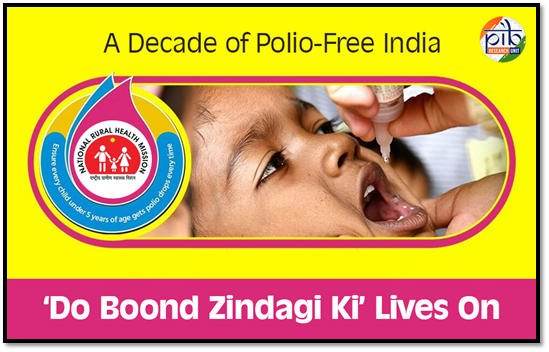
The Pulse Polio Programme has achieved remarkable success in various regions worldwide, significantly contributing to the reduction of polio cases. Notable success stories abound, illustrating the program's widespread impact on communities and public health. For instance, India, which once accounted for a large number of polio cases globally, has been declared polio-free since 2014. This transformation was the result of rigorous vaccination campaigns, community engagement, and sustained efforts under the Pulse Polio Programme. The collaboration between government agencies, healthcare workers, and local volunteers played a pivotal role in reaching millions of children across urban and rural areas.
Statistics further underscore the effectiveness of the initiative. According to the World Health Organization (WHO), the global incidence of polio has dropped by over 99% since the initiation of systematic vaccination efforts, with the total number of reported cases plummeting from approximately 350,000 in the late 1980s to just a handful in recent years. The concerted vaccination campaigns have not only curtailed the transmission of the virus but have also established a resilient healthcare framework capable of responding to potential outbreaks.
In addition to India, countries such as Nigeria and Pakistan have witnessed a significant decline in polio cases thanks to the Pulse Polio Programme. Mobilization efforts in these nations, which included door-to-door vaccination drives and public awareness campaigns, have led to increased acceptance of the vaccine within communities. As a result, families are progressively recognizing the importance of polio vaccination in safeguarding their children's health and well-being.
The program's success can be observed not just in statistics, but also in the personal testimonies of families who have experienced the life-changing benefits of vaccination. These inspiring stories highlight the profound impact of the Pulse Polio Programme on the lives of children and underline the critical importance of continued commitment to vaccination efforts worldwide.
Challenges Faced by the Pulse Polio Programme
The implementation of the Pulse Polio Programme, designed to eradicate poliomyelitis among children, has encountered several significant challenges that hinder its effectiveness. One of the foremost challenges is vaccine hesitancy, which has become increasingly prevalent in various communities. Parents may refuse vaccination for their children due to misconceptions about the vaccine's safety and efficacy, often driven by misinformation. This reluctance compromises the overall objective of achieving widespread immunity.
In addition to vaccine hesitancy, logistical hurdles present considerable obstacles, particularly in remote or rural areas. The distribution of vaccines requires a robust logistical framework, including secure transportation and proper cold chain management. These requirements can be particularly daunting in regions with inadequate infrastructure, making it difficult to ensure that vaccines reach every child in need. The lack of access to health care facilities further exacerbates this issue, leaving certain populations vulnerable.
Misinformation also plays a critical role in challenging the Pulse Polio Programme, often propagated through social media and informal networks. False narratives regarding the vaccine's impact can lead to widespread skepticism, negatively influencing public perception and trust in health authorities. This situation is further complicated by political and social factors, including instability in certain regions and a lack of support from community leaders. Political will is essential in motivating communities to participate in vaccination drives, and in its absence, achieving universal coverage becomes increasingly difficult.
Moreover, cultural beliefs and practices can significantly influence attitudes towards vaccination. In some communities, traditional beliefs may conflict with medical advice, resulting in resistance to immunization efforts. Addressing these sociocultural dynamics is crucial for enhancing participation in the Pulse Polio Programme.
Call to Action: Everyone’s Role in Eradication
As the world strives towards eradicating polio, each individual plays a vital role in realizing the goal of a polio-free future. The Pulse Polio Programme has made remarkable strides in reducing polio cases globally, yet the fight is not over. Increased awareness and community involvement remain crucial to ensure the success of vaccination efforts. Individuals are encouraged to educate themselves and others about the importance of vaccination, understanding that every child deserves protection against this crippling disease.
Community engagement is fundamental in the Pulse Polio Programme's initiatives. Local leaders, healthcare professionals, and volunteers serve as ambassadors, advocating for the importance of polio vaccinations. It is imperative for families to participate in vaccination drives, ensuring that every child, particularly those in remote areas, receive their doses. Parents are urged to keep track of their children's immunization schedules, including not only polio vaccination but also other essential immunizations. This active participation creates an environment where vaccination becomes a community norm, fostering a culture of health and safety for children.
Moreover, harnessing the power of social media and community events can significantly amplify the message around polio vaccination. People are encouraged to share information, disseminate pamphlets, or even organize information sessions within their neighborhoods. Creating awareness reduces stigma and misinformation surrounding vaccines, contributing to higher vaccination rates. In addition, collaboration among various community stakeholders — schools, religious organizations, and local businesses — can enhance outreach efforts. Working together can amplify the impact of the Pulse Polio Programme and showcase the collective responsibility we hold in ensuring a polio-free childhood for all children.
By taking these actions, we all contribute to a profound legacy: a world in which polio is consigned to history, ensuring healthier futures for generations to come.