
Important Scans and Tests in pregnancy
Important Scans and Tests in Pregnancy: A Comprehensive Guide
Pregnancy is a beautiful journey filled with excitement and anticipation. However, it also brings a range of essential medical scans and tests that ensure the health and well-being of both the mother and the baby. At YBaby, we believe that being informed about these procedures can empower expectant parents and enhance their prenatal experience. This guide highlights the crucial scans and tests during pregnancy, what they entail, and why they are important.
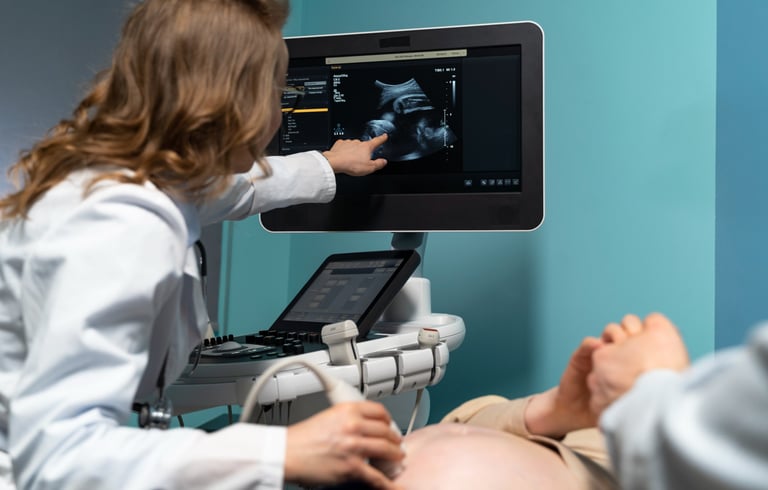
1. Ultrasound Scans
Ultrasound scans are one of the most common and important tests during pregnancy. They use sound waves to create images of the baby in the womb, helping healthcare providers monitor the pregnancy's progress.
- Early Pregnancy Ultrasound: Typically conducted in the first trimester (around 6-8 weeks), this scan confirms the pregnancy, estimates the due date, and checks for the presence of multiple pregnancies (e.g., twins).
- Anatomy Scan: Usually performed between 18-22 weeks of pregnancy, this detailed scan examines the baby's organs and physical features, identifying any potential abnormalities and ensuring proper development.
- Third Trimester Ultrasound: Often recommended in the final trimester, this scan assesses the baby's growth, position, and overall health, helping to prepare for labor and delivery.
2. Blood Tests
Blood tests are a vital part of prenatal care, helping to detect various health conditions in the mother and baby. Key blood tests include:
- Blood Type and Rh Factor: Determines the mother’s blood type and Rh factor, which is essential for preventing Rh incompatibility—a condition that can affect the baby’s health.
- Complete Blood Count (CBC): Assesses the mother’s overall health, detecting issues like anemia or infections that may impact pregnancy.
- Screening for Infectious Diseases: Tests for diseases such as HIV, syphilis, and hepatitis B to ensure appropriate care and treatment if needed.
- Genetic Screening: Non-invasive prenatal testing (NIPT) can assess the risk of specific genetic disorders, including Down syndrome.
3. Glucose Screening Test
Around the 24th to 28th week of pregnancy, a glucose screening test checks for gestational diabetes, a condition that can occur during pregnancy. The test involves drinking a sugary solution followed by a blood test to measure blood sugar levels. Early detection is vital, as unmanaged gestational diabetes can have significant implications for both mother and baby.
4. Group B Streptococcus Screening
Between 35 to 37 weeks of pregnancy, a swab test is conducted to check for Group B Streptococcus (GBS) bacteria. While GBS is common and not harmful to healthy adults, it can pose risks during delivery if transmitted to the baby. If a mother tests positive, antibiotics are typically administered during labor to minimize any risks.
5. Fetal Heart Monitoring
Fetal heart monitoring can occur in different scenarios, such as during routine check-ups or when there are concerns about the baby’s health. Two primary methods are used:
- Doppler Fetal Monitor: This device listens to the baby’s heartbeat and can provide reassurance during prenatal visits.
- Non-Stress Test (NST): This test is often conducted in the third trimester, measuring the baby's heart rate in response to movements, helping to determine if the baby is receiving enough oxygen.
Conclusion
Understanding the important scans and tests during pregnancy is key to ensuring a healthy journey for both mother and child. At YBaby, we encourage expectant parents to discuss these tests with their healthcare providers to address any questions or concerns. Each test offers critical insights into the health of both mother and baby, shedding light on the right steps to take throughout this extraordinary experience. Embrace the journey and empower yourself with knowledge—every scan brings you closer to welcoming your new arrival into the world.